Skip to the content
River
Water vole
Arvicola amphibius
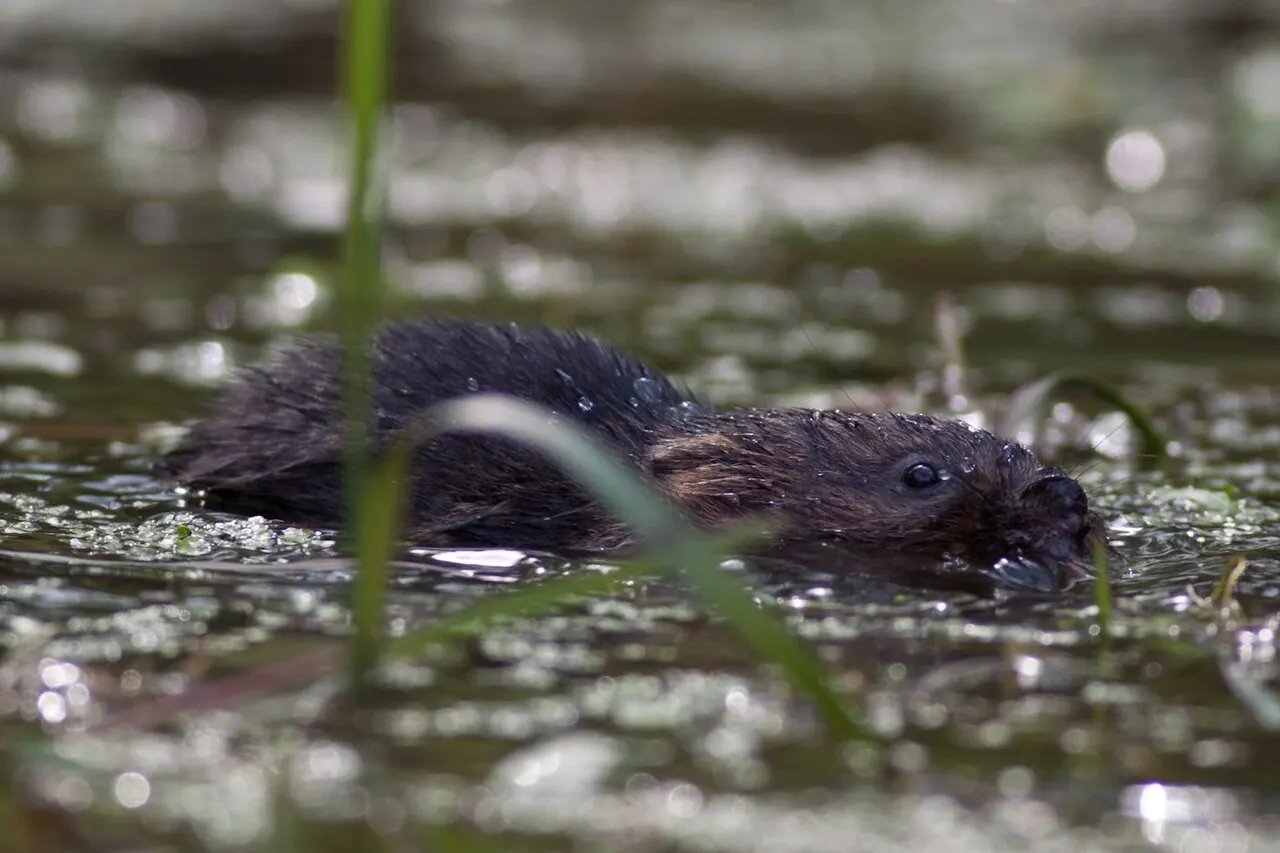
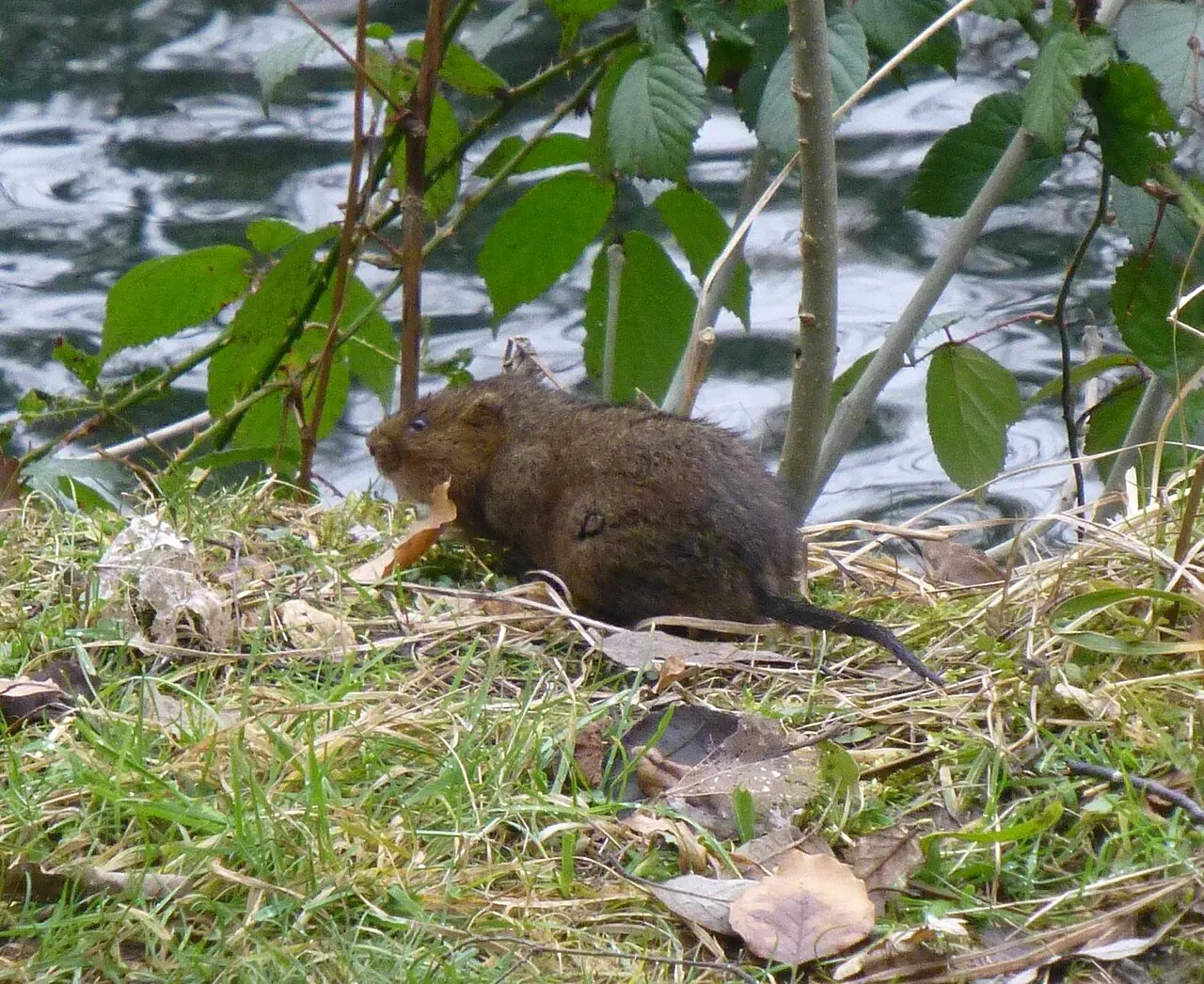
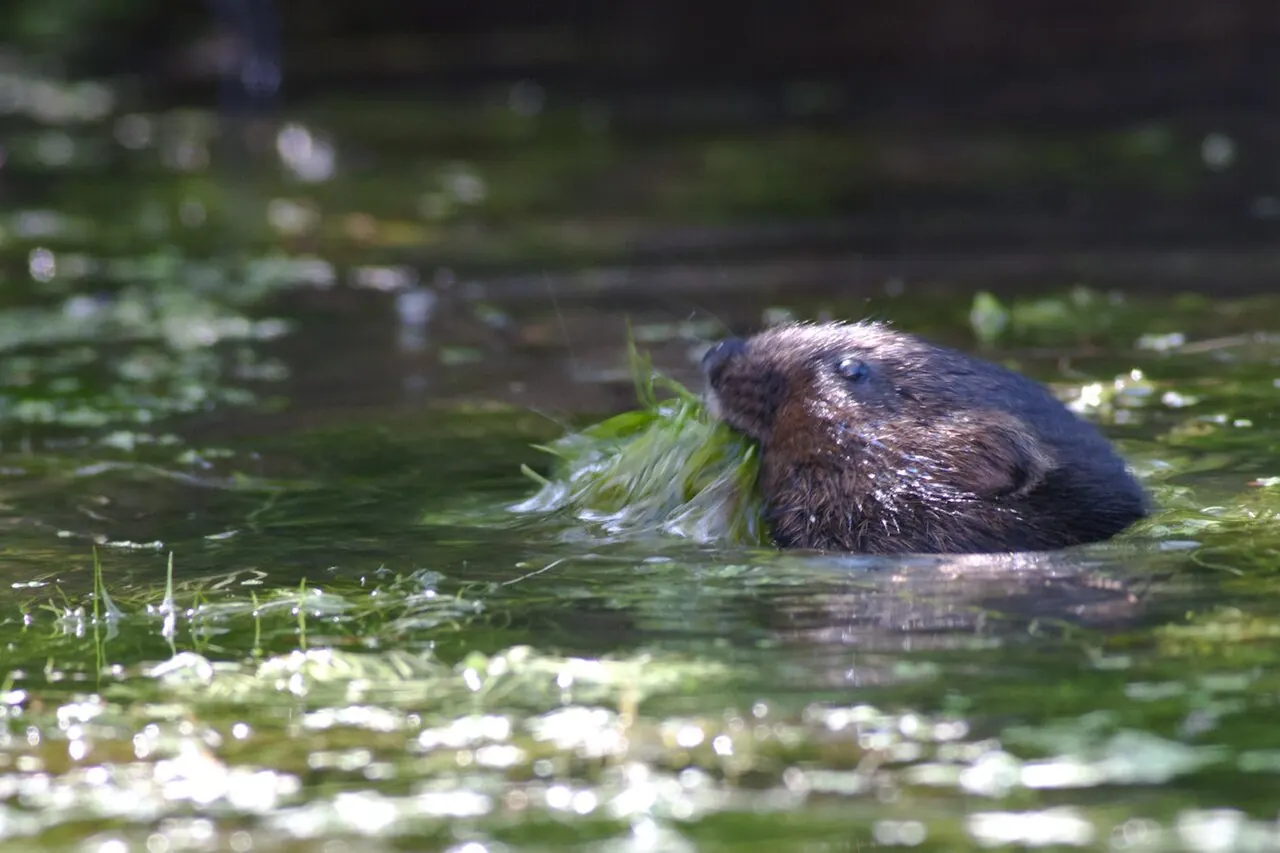
A chubby, chestnut-brown vole with a blunt nose, small furry ears and a furry tail.
- Size
- Body about 18cm long
- Look for it
- March to October
- Where
- Grassy banks of slow rivers, ditches, canals and ponds
My spotter's list
Paddles after you, leaving a little wake. Move your pointer and see.
Good to know
Six things about the water vole
RattyThe real Ratty
Ratty in The Wind in the Willows was really a water vole, not a rat.
SoundListen for the plop
A startled water vole dives in with a loud plop. That is often the first sign that one is there.
AppetiteA big eater
A water vole eats about 80 per cent of its own body weight in plants every day.
SignsNeat lawns
Look for small patches of nibbled grass round a burrow entrance, and stems cut at a slant.
DeclineIn trouble
Water voles have disappeared from most of the places they once lived, mainly because of American mink and lost riverbank habitat.
TellVole or rat?
A water vole has a blunt face, ears almost hidden in fur and a furry tail. A rat has a pointed face, big ears and a bare tail.
The real thing
Photos of the water vole
Out and aboutHow to spot one
Sit quietly by a slow, grassy-banked stream. Listen for a plop, and look for round burrows at the waterline with a nibbled lawn round them.
Lend a handHow to help
Leave tall plants on river and ditch banks, and report any sightings: conservation groups need to know where they are holding on.
Following youLadybird
Who should follow you?
These live somewhere else: choosing one takes you to their page.
Bees and hoverflies
Butterflies and moths
Dragonflies and damselflies
Beetles, hoppers and ants
Not insects at all
Snails and spiders aren't insects: a snail is a mollusc, and spiders have eight legs.
These live somewhere else: choosing one takes you to their page.
Garden birds
Pond animals live on the Pond page: choosing one takes you there.
Pond life
These live somewhere else: choosing one takes you to their page.
Night garden
Seashore animals live on the Seashore page: choosing one takes you there.
Rock pool life
These live somewhere else: choosing one takes you to their page.
Woodland animals
These live somewhere else: choosing one takes you to their page.
Under a log
These live somewhere else: choosing one takes you to their page.
Meadow life
River life
_-_Northern_water_vole_%E2%80%93_Water_rat_-_Flickr_-_Ragnhild_%26_Neil_Crawford_(1).jpg)
_-_geograph.org.uk_-_3891098.jpg)
_-_Northern_water_vole_%E2%80%93_Water_rat_-_Flickr_-_Ragnhild_%26_Neil_Crawford.jpg)